
Artificial Intelligence
The intelligence layer that connects, learns, and acts.
Safely brings everything into one intelligence layer, so Owlbert learns what normal looks like, flags anomalies and drives corrective action.
The Problem
No single view. No continuous monitoring. No intelligence. Just fragmented data and reactive firefighting.
What Safely Replaces
Safely integrates across systems and layers and Owlbert AI and Owlbert Vision on top create a unified operational intelligence platform.
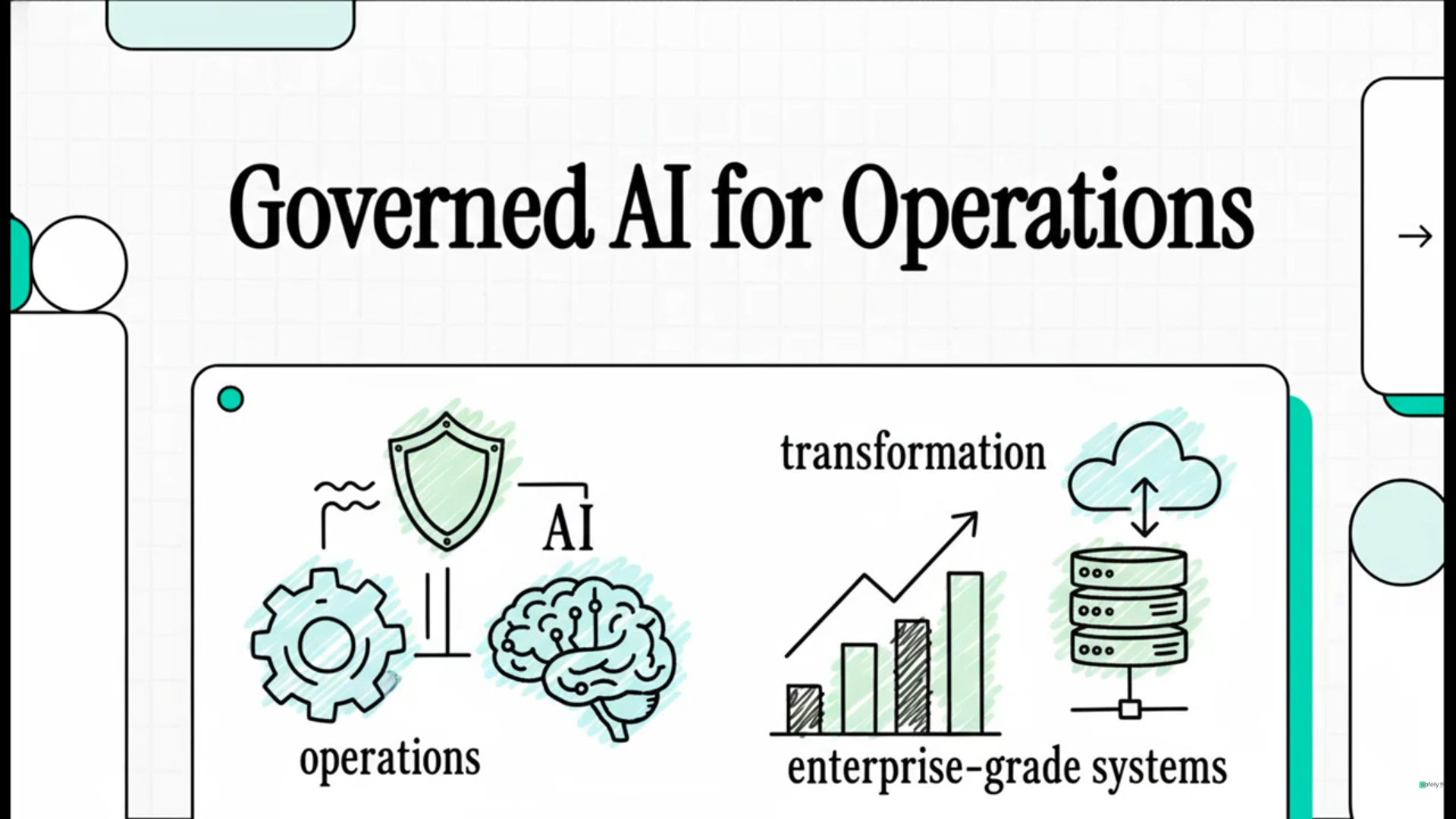
Governed AI. Next-Generation Operations.
Download the brochure to explore the digital journey from paper-based routines to truly autonomous operations . Learn how Safely’s organization-trained AI works securely with your existing templates, sites, and standards to deliver instant answers, predict failures, and build enterprise-level trust.
How It Works
Step 1
Data Capture
Capture structured data from sensors and digital operations.
Step 2
Train & Learn
Train Owlbert on your real operational patterns.
Step 3
Expand Use Case
Expand use cases as data grows for forward-looking insight.
Step 4
Intelligent Automation
Trigger smarter automation with Conversational or Visual AI.
Integrated Components
Order Management
Digitise ordering from customer or resident to kitchen. Fully connected, fully controlled.
Digital Document Management
Control documents. Eliminate version chaos. Make evidence instantly accessible.
Who It’s For
Connect your systems. Activate intelligence.
Book a demo to see how Safely supports with Artificial Intelligence.
Book a Demo to Explore Artificial Intelligence
Artificial Intelligence FAQs
Safely uses Owlbert AI and Owlbert Vision, which function as your organisation’s "operations intelligence layer" . Unlike generic chatbots bolted onto a dashboard, Safely’s AI is a governed, organisation-trained intelligence system that operates securely inside your operational ecosystem . It is specifically designed to work seamlessly with your existing templates, sites, assets, logs, controls, and standards .
Owlbert AI features a conversational interface called Owlbert’s Insights, allowing users to ask questions in plain language about their operations, such as temperature alerts, inventory, or task submissions . It immediately turns your structured operational data into instant interrogation, decision support, auto-generated reports, and forward-looking insights, including charts and predicted failure risks . Because it only uses your tenant’s data, all answers are highly relevant to your specific sites .
Yes. One of the platform's key AI features is the ability to automatically generate digital forms and checklists . You can ask Owlbert to create a checklist directly from your existing policy documents (like an SOP) stored in Document Management . Alternatively, you can upload a photo of a paper form, and the AI will analyse the layout and content to suggest a fully digitised version that can be immediately assigned and linked to tasks .
Owlbert Vision is a governed visual reasoning engine used to analyse images and video for compliance evidence, gap analysis, and training . Crucially, it is not built to make "random AI camera guesses" . It operates strictly within declared capability boundaries and uses confidence-based behavioral gates (e.g., high confidence allows automation, while low confidence results in a safe decline) to prevent noisy automation and ensure trust .
Absolutely. Safely champions an "explainable ops" model, meaning every AI insight can be drilled down to the underlying evidence, whether that is a task result, a sensor reading window, a photo, or a corrective action trail . To ensure enterprise-grade security and governance, the AI features "decline by design" boundaries, multi-tenant data separation, and comprehensive audit logging .
Safely’s AI solves complex challenges across various industries by moving operations from reactive to proactive:
- Facilities & Maintenance: Predicting which assets are trending toward repeat reactive jobs for predictive maintenance prioritisation.
- Health & Safety: Spotting Legionella and water safety trends to identify root causes like poor insulation, and automatically generating corrective action plans.
- Inventory & Ordering: Detecting peak demand patterns and providing dynamic, predictive ordering recommendations to reduce spoilage and food waste.
- Incident Management: Mapping hotspots to see where incidents cluster by zone or time, triggering proactive interventions before harm occurs.